How We Built a Web3 Game That Made $4M on Day One

Table of Contents
Some teams pitch. Others build.
While half the market is chasing investors, the other is already earning through innovation. One European company launched a crypto-based AR game. On day one, it brought in $4 million in sales. This article breaks down the mechanics that make players spend money and enjoy every second of it.
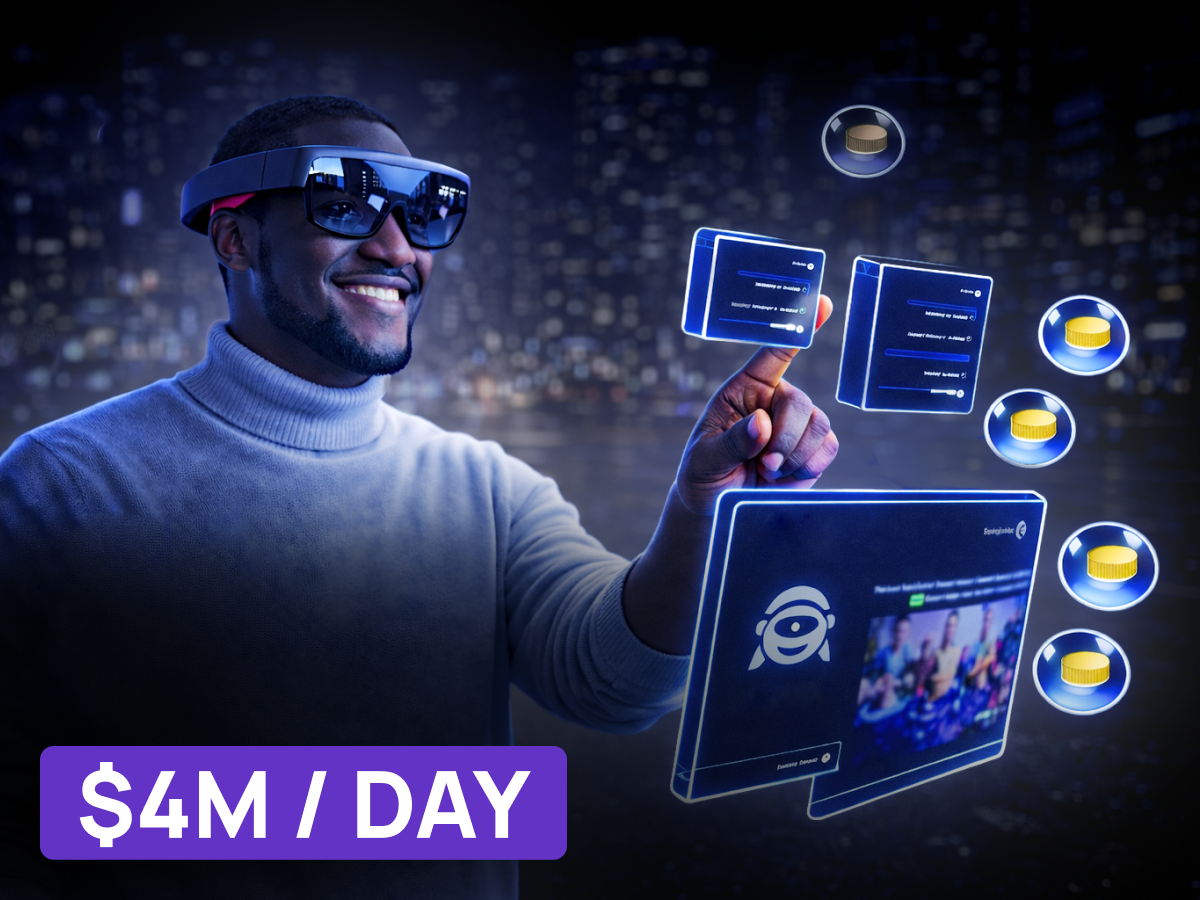
Hi, I’m Alex Sorokin from 8Blocks. We take a business, add some blockchain, a few tokens, a couple game mechanics and voilà! You’re not just running a company. You’re building a near-metaverse.
Think your business is too grounded for Web3? Perfect. We turn what looks ordinary into something people want to own, play with, or explore. Retail? We gamify it. Real estate? We tokenize it. Events? We drop them into the metaverse.
A year ago, we launched one of our most anticipated projects – a multiplayer AR game. It wasn’t built for fun. It was built to make money. And it did. On the very first day, it pulled in $4 million from digital avatar sales.
I can’t share much about the client. That part stays under NDA. But this article is about the business behind the game, the mechanics that drive it, and the token model that made it work. So make yourself comfortable. This one’s worth reading.
The day a developer asked for his own metaverse
A Russian-Dutch development group came to us with an unusual request. They work at the intersection of real estate and culture. Their projects span Europe, Russia, and Asia, restoring old buildings and transforming industrial sites into lofts, boutique hotels, and event spaces. You might know them from the “Arsenal” renovation or the “Serp i Molot” complex in Moscow.
Their other focus is raves and music festivals. They team up with top-tier artists and draw crowds of tens of thousands. To keep all of it growing, they urgently needed money. Ideally without putting the core business at risk.
The solution had to work across both fields, generate revenue, and stay rooted in tech. Web3 was heating up, and they wanted in. That’s when the AR game idea came to life – a space where the virtual and the real weren’t separate anymore. In the real world, it introduces users to the developer’s locations and community. In the digital one, it becomes a full game with its own economy, resources, and rewards.
It’s a win-win – for the business and the players. And on the player side, it’s not just about offline perks. There’s also a real opportunity to earn.
Why make it so complicated? Why not just launch a token?
This was one of the first things the client asked: Why build a complex system when you could just launch a token and start raising?
First, a token without context is just empty. The crypto market is flooded with lookalike assets that show up one week and vanish the next. Without a solid use case, demand, or ongoing engagement, a token has nothing to stand on. It runs on expectation, which means it quickly loses value and trust.
Second, launching a token isn’t simple. It needs legal, marketing, and technical infrastructure. You have to explain why it matters, how it works, and where it’s used. And most importantly, why anyone should believe it will grow. That takes time and resources. Without it, the token enters the market half-baked, and the project gets labeled as unserious or speculative from day one.
Third, just launching a token doesn’t create a real connection with the audience. People might buy it, sure. But then what? There’s nothing pulling them back. No reason to stick around, get involved, or care. And without that, there’s no retention, no community, no future.

We offered another path – a product where the token is integrated in a way that feels natural and makes strategic sense. Not just something that sits in the system, but something that plays an active role. It rewards, motivates, and drives the in-game economy. Its value doesn’t come from promises. It’s shaped by what players do.
That’s how the idea for an AR game with tokenomics at its core came together. It solved two problems at once: it helped raise funding and kept the audience engaged through real participation.
It all started with research
We looked at the AR games that had already found success. The closest in terms of mechanics? Pokémon Go. You walk around, hunt for objects, earn rewards – the gameplay loop was right where we wanted to be.
The client’s core audience was in Europe. That’s where we hit the first disconnect. Early on, the most active crypto buyers are usually in Asia, where the appetite for risky assets is higher and belief in fast profits runs deeper.
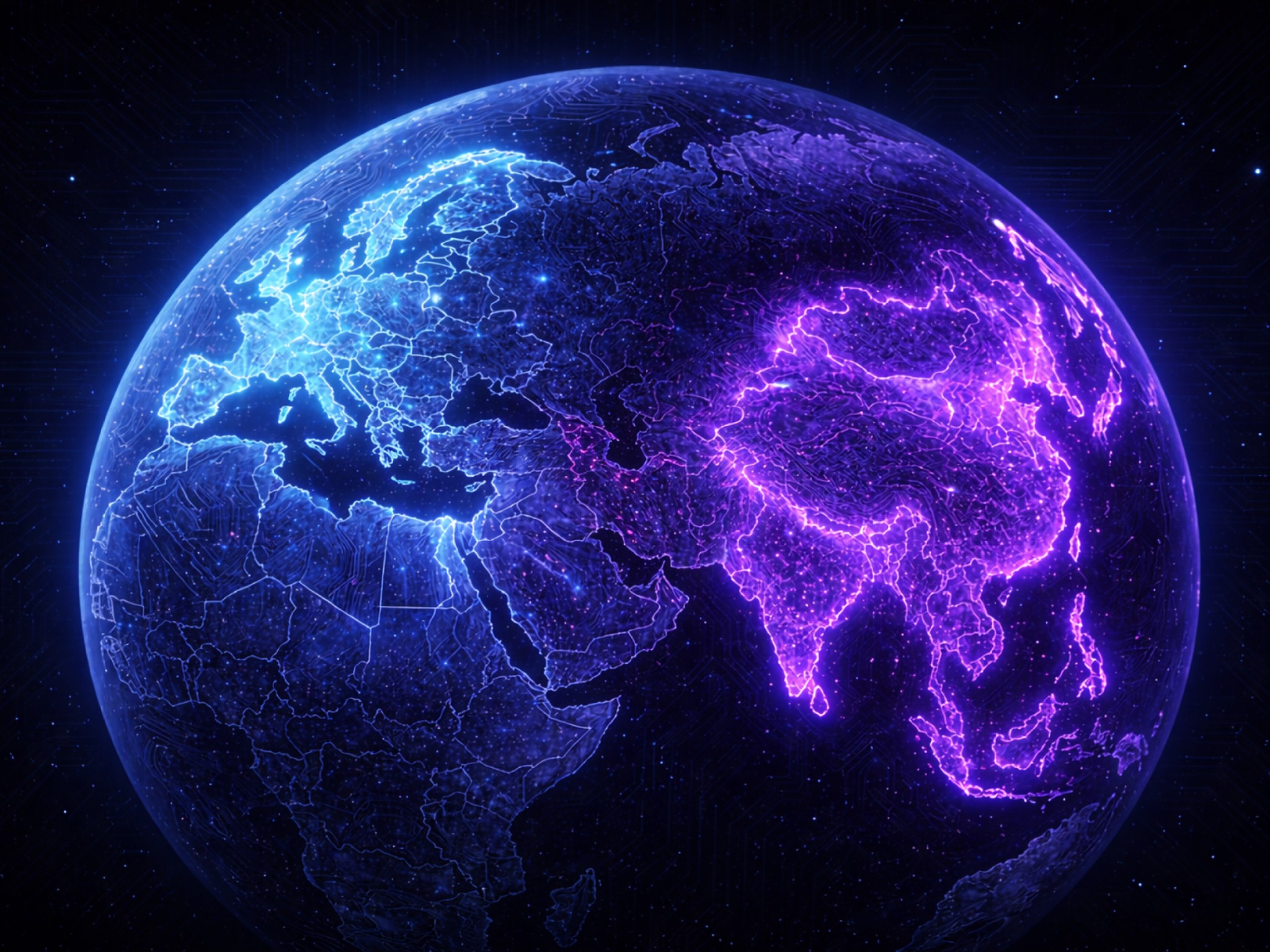
In more developed markets like the UK, tokens usually catch investor interest later, once the project has taken off and proven itself. Asia plays it differently. From day one, people scoop up crypto hoping for a price jump – say, from $0.15 to $15.
So how do you launch without missing your shot?
We sat down and asked ourselves: What would make Europeans spend on crypto?
Hotels, raves, headliner access. Of course it would! That’s how the first idea took shape. A game where token collecting was tied to music festivals.
Explore the city, complete quests, earn rewards
Here’s the core mechanic we built: a player opens a map, spots a “sphere”, walks to it in the real world, and collects it using their phone. Inside? Could be a token, one of five resources, an NFT fragment, or another in-game item. Not all spheres are friendly, though. Some drain your resources, trigger crash events, or even set off attacks from other players.

You can use your tokens to craft NFTs like exclusive items, backstage passes, or merch. You can also spend them to join events, trade for resources, or hold on to sell later. But there’s a trade-off: each player has a limited energy pool for the day. You can burn it in a loot collection or top it up to chase down even more spheres.
Beyond solo play, the game also features competitive modes. PvP battles, large-scale brawls, quests – even card games in the spirit of “Gwent” from The Witcher. Players team up, fight bosses at real-world locations, all powered by physical movement and activity.
And here’s the most important part. This game wasn’t built for the sake of gaming. It was a tool to promote the music festival. The most active players who leveled up their avatars and completed quests received unique rewards like backstage access to headliners and limited-edition merch.
Every mechanic was carefully designed to keep the token economy moving without draining the fun out of it.
What’s in it for the game owners?
The first revenue stream comes from NFT avatars. They range from $50 to $1,000, and owning one means more than just having a cool asset. It unlocks full access to the game world.
There’s a free tier, but it comes with limits. Players can only collect 20 spheres a day. That’s enough to look around, but nowhere near enough to craft, progress, or actually earn. Without a paid account, they’re basically locked out of the token economy.
Next comes crafting. Players can design their own NFT clothing, but it takes resources, blueprints, and tokens. If they’re missing something, they can buy it. That spending fuels the in-game economy, and a cut of every transaction goes to the team behind it.
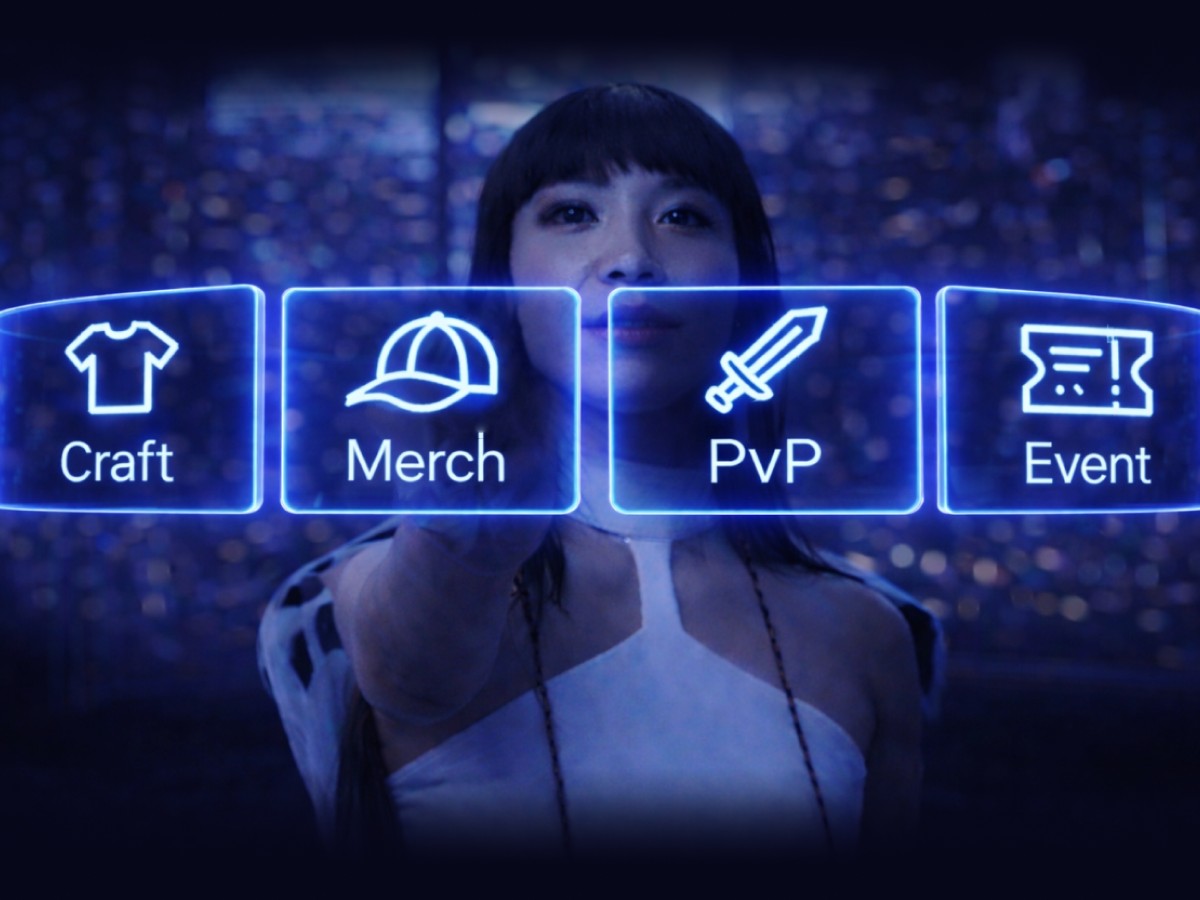
Then there are events and limited-edition NFTs. The platform releases exclusive tokens tied to specific moments like a music festival in Spain. Players buy them with USDT to claim rare items or tap into offline perks.
And finally, advertising. Brands pay to feature their merch inside the game. And here’s a fun fact: at launch, those budgets alone were big enough to fully cover the backstage fees for headlining artists.
Plus, the platform earns through commissions. Duels, tournaments, fashion shows, NFT trading – every action comes with a small cut for the project. The more players engage, the higher the volume. And the higher the volume, the more the team makes.
How limits make players spend
Players don’t just spend for fun, not even in a game that looks great and plays well. For the in-game economy to work, there has to be a system where spending feels logical, worth it, and genuinely satisfying.
The core principle here is limited resources. Instead of endlessly generating value, the metaverse runs on carefully designed scarcity.
Resources can be mined, but the total supply is fixed. Some can be recycled and reused, but 10% disappear for good. The more players join in, the fiercer the competition, and the higher the value. That naturally pushes players to collect, upgrade, trade, and invest.
Same goes for tokens – their supply isn’t based on the team’s imagination. It moves in sync with global population growth. If the population starts to shrink, token burn kicks in. That keeps the economy balanced and stops inflation from killing player interest.
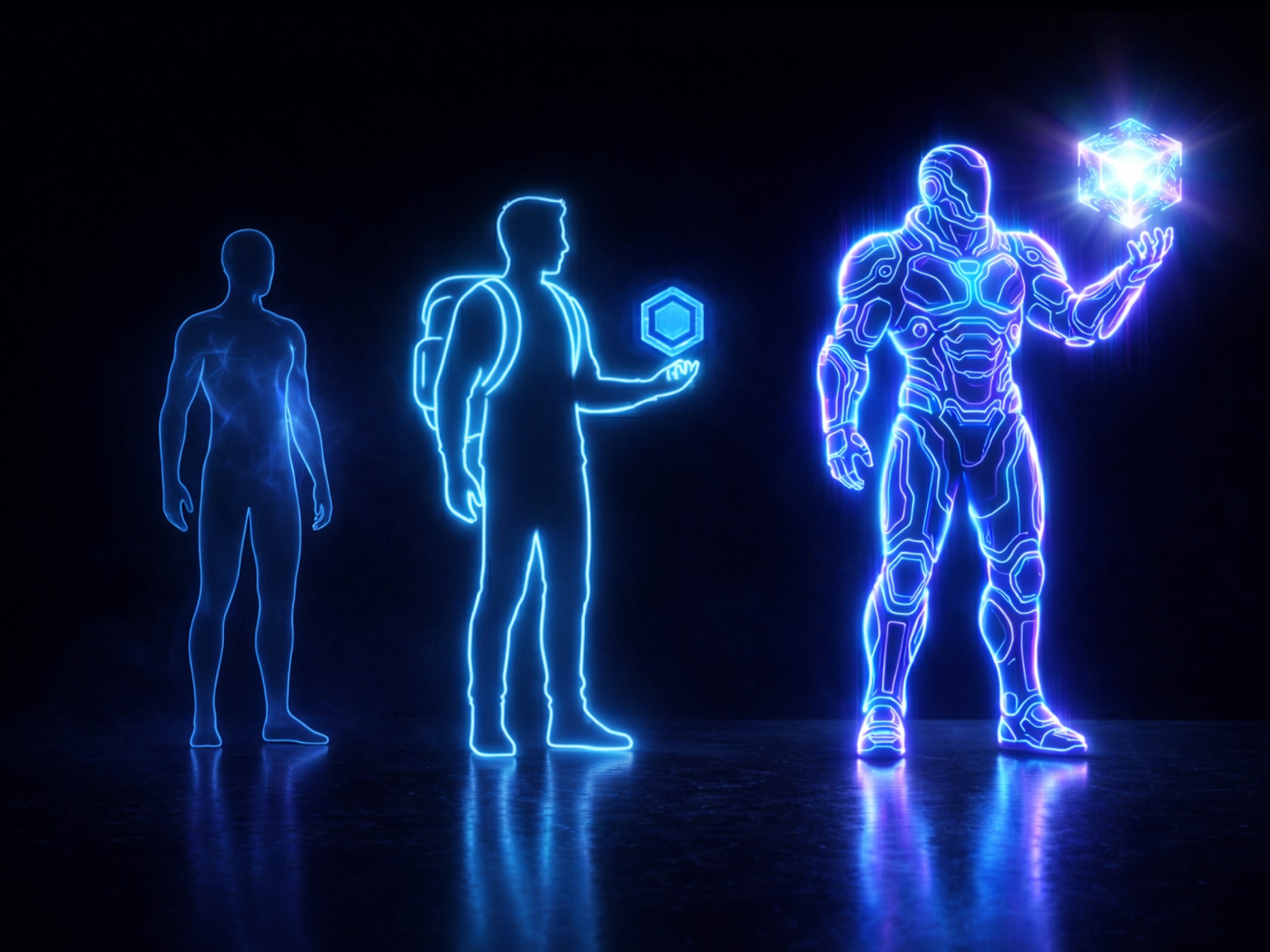
From there, it all makes sense. To craft, join events, level up, battle, or unlock rare NFTs – you need tokens. To earn, you need to play. And to play well, you need to spend. The cycle closes. But in this system, spending doesn’t feel like losing. It feels like investing in your own strength and getting something back. That’s what keeps players spending. And doing it willingly.
Can players earn real money?
They can, and they do. This is a Play2Earn game where almost every action earns you something: tokens, materials, NFTs. And everything you earn can be sold. Either in-game for more tokens, or on an exchange for crypto.
Your earnings depend on progress. The stronger your avatar, the more you get from AR spheres, battles, quests, and events. You can craft clothing and sell it, compete in tournaments, capture territory, farm rare resources, or even sell your characters as NFTs.
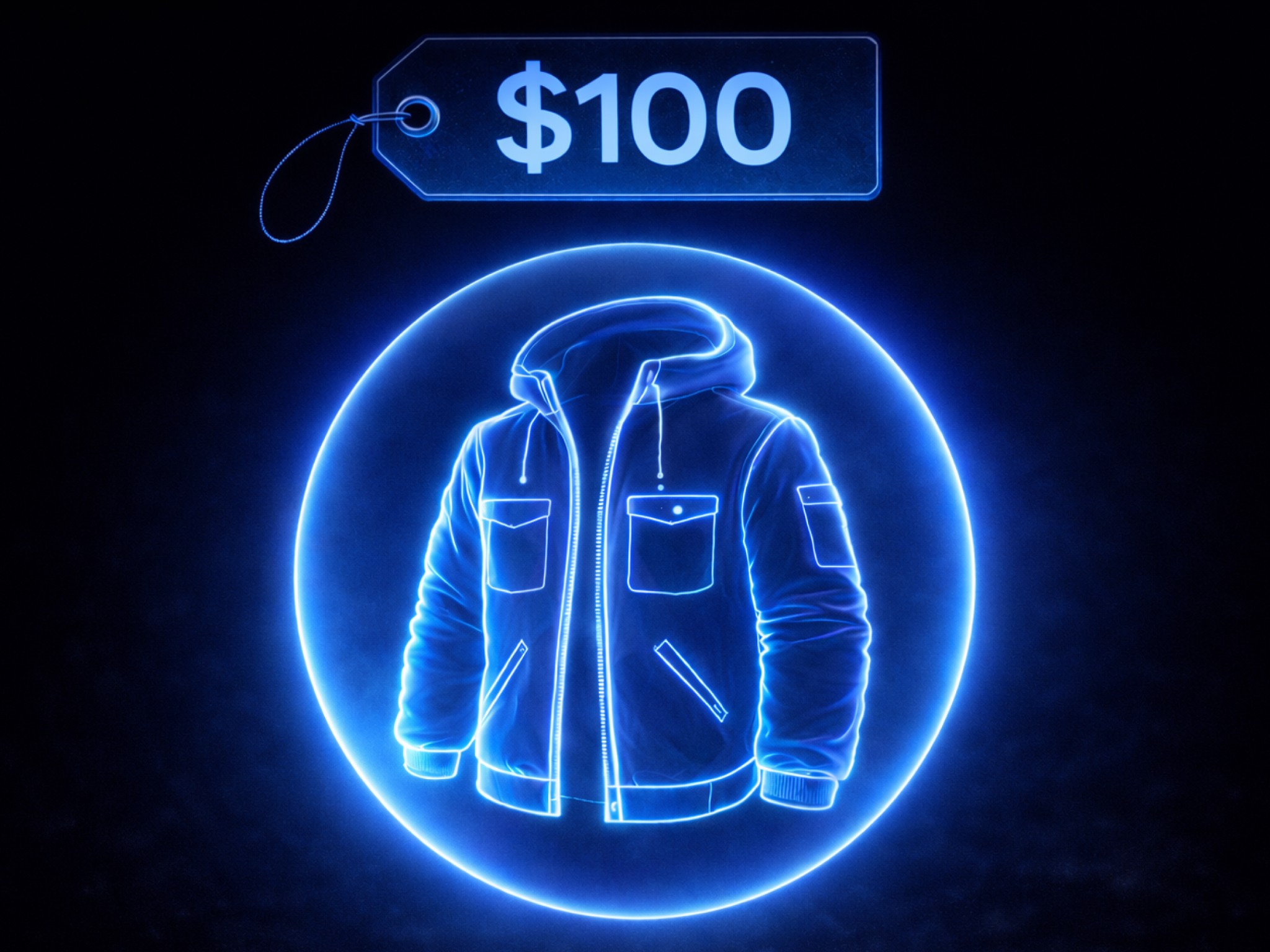
But money isn’t the main motivation. The people who drop $1,000 on an avatar don’t just want tokens. They want to get closer to the music, the artists, and simply have a good time. Especially when collectible NFTs unlock limited-edition items linked to the headliners.
How we keep the game economy in shape
To keep the system stable, even during spikes in activity, the game uses a treasury mechanic. It’s an internal fund that manages how tokens move around. When players spend tokens, part of the amount gets burned. The rest goes into reserve and investment pools, where it’s stored and used to stabilize the economy when needed.
When demand for the token suddenly rises, like after the release of a limited NFT tied to an offline event, players rush to buy. As the price climbs, the stabilization fund steps in. It releases more tokens to ease the pressure and keep things steady.
And when tokens just sit untouched, the system starts burning them after three months. That way, supply doesn’t bloat, and the economy stays healthy. The game also saves part of its earnings in gold using PAXG. It’s a built-in safety net in case the crypto market takes a hit. If things get rough, the project has reserves to steady the price and keep player trust intact.
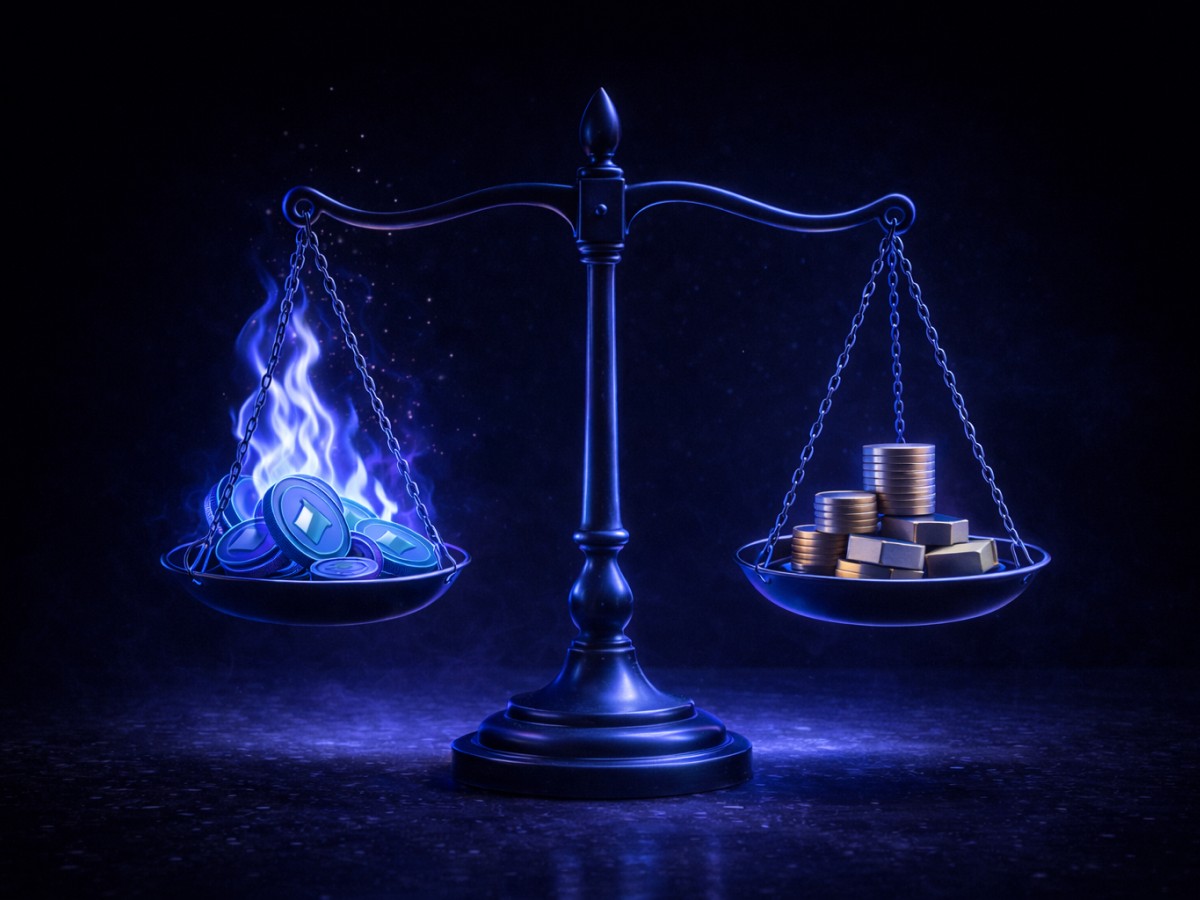
And one more thing. If the token price starts swinging too much, the platform can step in – either by buying tokens off the market or releasing more into circulation. That way, it keeps the supply in check, the in-game currency stable and valuable, and gives players a reason to stay engaged.
Anti-hype mechanics
To keep the economy from breaking, we added toxic and attack spheres into the game. Open one, and you lose some of your resources. That little twist adds real tension. The game feels riskier, the economy feels alive. Just like in real life.
Crash mechanics follow the same logic. These are random events like rain or drought. Rain makes collecting spheres more energy-draining, and some resources become unavailable. These events can last for days, creating healthy pressure and forcing players to adapt.

Why does it work? Because in movies, the hero always gets a happy ending. Here, there’s uncertainty. But we don’t mess with the currency itself — we shift the pressure to resources. So players see it as part of the game world, not some unfair grab at their wallet.
And of course, there’s marketplace commission and price control. The game takes a small cut from every transaction. And if someone tries to dump an NFT for pennies (yep, we set a recommended floor price), the item gets burned. That way, the economy doesn’t collapse, and the players who spent time and effort creating valuable items stay protected.
Why we need manual control over the economy
It’s our safety net against chaos. Say you’ve perfectly balanced the economy for 10,000 players. But suddenly, 200,000 jump in. A rigid system can’t handle that. Tokens run out, prices spike, and the balance breaks.
Or imagine everyone suddenly rushes to mine iron, but it’s a strictly limited resource. If it runs out completely, the whole game economy could crash. That’s when we can step in with a crash mechanic like rain, which you’ve already seen in the previous chapter.

And that’s our edge. We treat the in-game economy as something alive, not a fixed set of rules. So even if the player base suddenly multiplies, the game adapts. We’ve got plan B, C, and D ready to go.
Within the first 24 hours of launch, the project brought in over $4 million – just from selling digital avatars. These collectible characters became each player’s ticket into the game world. The buzz caught on quickly. Over 4,000 users jumped in, and the community turned out way more loyal than anyone expected.
Players didn’t just dive into the game – they got involved with the developer’s offline world too. They started buying branded merch, booking stays, and grabbing tickets to events. Digital engagement turned into real-world revenue and a growing customer base.
The game became a steady income stream, bringing in anywhere from $30,000 to $200,000 a month through tokens and NFTs. But more importantly, it built a hybrid ecosystem where the in-game economy directly supported the client’s core business.
The team is now preparing to launch history-based tourist quests. Imagine landing in Istanbul, opening the app, and diving into an interactive route that guides you through the city’s past. Along the way, you collect digital artifacts – each one tied to a real place, a real story. From there, it’s an easy bridge to hotels, tour agencies, and local brands.
It’s not just immersive. It opens the door to partnerships and monetization on a whole new level.
A lot of people still associate “crypto” with speculation. But in reality, it’s just a tool like CRM or ERP, only with a different set of possibilities.
We’re not here to just plug a token into your business. Our goal is to show what concrete benefit it brings. We look at your goals, analyze the funnel, build the economics, and create a product that drives engagement, sales, and a living, breathing community. That last one? It’ll pay off more than once.
If you want to find out whether this model could work for you, book a consultation. We’ll walk you through it, show the numbers, and break it all down. We keep it simple and honest. Even if you have no idea where to start.
Share