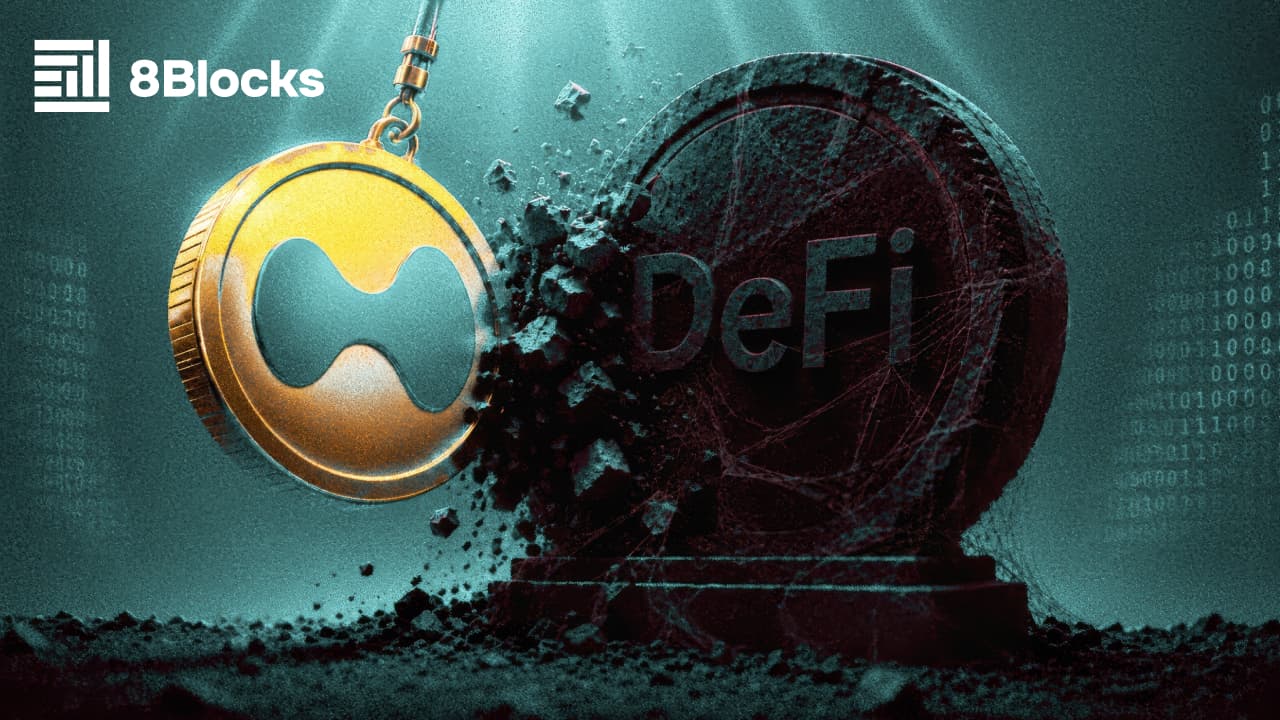
Why HYPE Appears to Be Stronger Than Most DeFi Tokens, and at What Point That Power Could Run Out
HYPE is a good example of the kind of tokenomics that forms when a token doesn’t drift away from the product but rather is built into its economy instead. But beyond that, there’s something more significant this case sheds light on, that being – even a functional model generating substantial revenue and clear demand may remain reliant on specific continued conditions, rather than possessing an absolute margin of safety.
The Downfall of the Personal Token: Why They’re Bound to Grind Investors’ Gears in 2026
In 2025, celebrities launched personal tokens accompanied by massive hype campaigns. In practice, these coins have enriched the creators but soon collapsed when the illusion of their promised utility faded. Investors are now keen that celebrity personal coins are set up to fail. Especially following the broader November 2026 crypto crash, unlike more sustainable expert-created tokens.
Why Tokens Drop After TGE Even When Everything Goes to Plan
A token doesn’t drop after TGE only because the product is weak, the marketing failed, or the listing went badly. In many cases, the sell pressure was built long before launch, through early token rounds. When too many cheap allocations reach the market at once, TGE doesn’t create the problem. It exposes it.
The 5 Most Common Tokenomics Mistakes and How to Avoid Them
Most tokenomics mistakes happen before launch, while the team still has time to fix them. The problem is rarely one wrong formula. It’s the lack of a system: the token should be part of the business model, not a separate asset attached to the product at the last minute.
When the Product Grows but the Token Doesn't
A token loses value when it stops being part of the product and becomes nothing more than something to trade. A tokenomics audit identifies that gap: it shows why users need the token, how it creates demand, how it behaves on the market, and which mechanics prevent it from working as a real asset.